
Blog / Oil

Why Oil Changes Are Necessary for Your Vehicle

Why Oil Changes Are Necessary for Your Vehicle

There’s a tendency to treat oil changes like background maintenance. Something you get to when it’s convenient. Something that feels optional, because oil doesn’t fail all at once. It degrades. Quietly. Gradually. And by the time the engine starts to feel it, the damage has already begun. 

Why Are Oil Changes Necessary? 

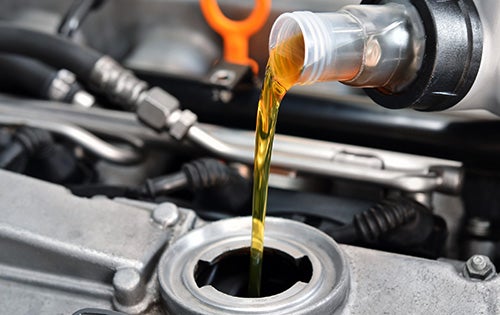
Engine oil is constantly exposed to heat, pressure, and contamination. Over time, it breaks down. It loses viscosity, collects debris, and becomes less effective at protecting internal components. That shift increases friction, raises operating temperatures, and accelerates wear across the engine. Regular oil changes remove that degraded oil and replace it with fluid that can do its job. It’s not complicated, but it’s critical. 

What Does Oil Do in a Vehicle? 

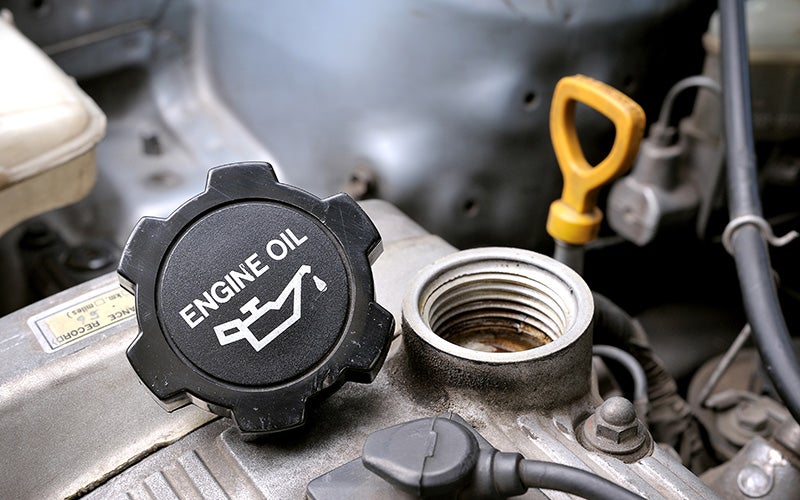
Oil operates as the engine’s primary safeguard. It creates a lubricating layer between moving parts, reducing direct contact and minimizing wear. It helps regulate temperature by transferring heat away from high-stress areas. It also captures contaminants, sending them to the filter instead of letting them circulate freely. All of this depends on oil being clean and able to flow correctly. Once that changes, protection drops off quickly. 

How Often Should You Schedule Oil Changes? 

Intervals vary depending on the vehicle and oil type, but there are reliable guidelines. Conventional oil typically falls within a 3,000 to 5,000 mile range. Synthetic oil extends that interval, often between 7,500 and 10,000 miles. 

Driving conditions matter just as much as mileage. In Old Saybrook, CT, frequent short trips and colder starts can place additional strain on the oil, making shorter intervals a practical choice. Following the manufacturer’s recommendation keeps everything within a safe operating range. 

What to Do If Your Oil Light Is On 

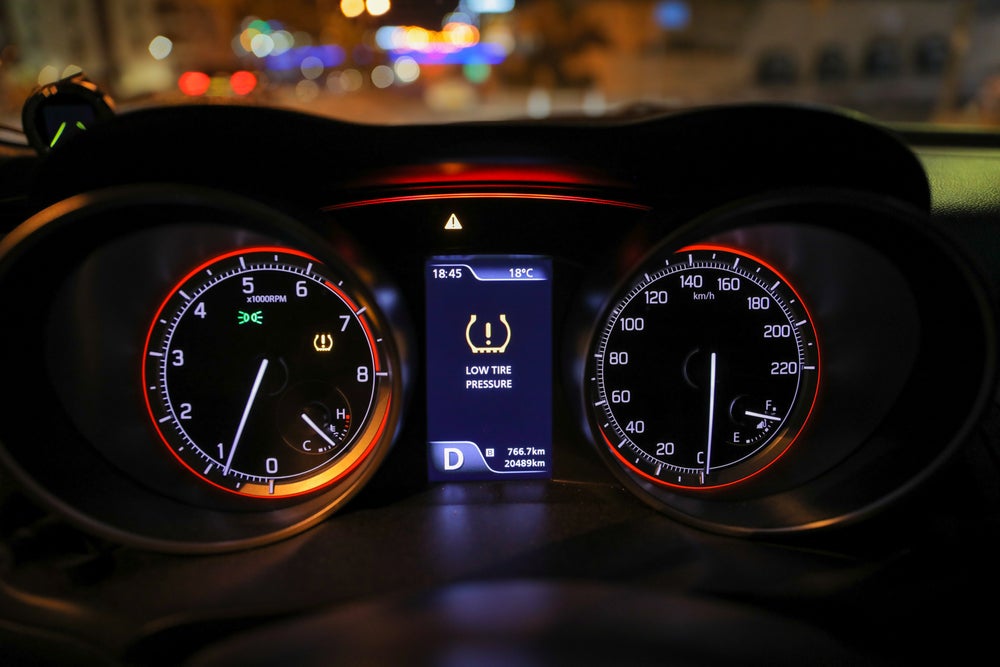
If it appears, the safest response is to pull over and shut the engine off. Low oil pressure or low oil levels can lead to rapid internal damage if the engine continues running. Checking the oil level may provide a temporary answer, but it does not identify the cause. If the light remains on, the system needs to be inspected to determine whether the issue is related to pressure, flow, or component failure. 

Types of Oil: Which One Is Right for Your Vehicle? 

The type of oil used directly affects performance and longevity. 

  • Conventional Oil: Suitable for simpler engine designs and lighter use. 
  • Synthetic Oil: More stable under temperature extremes and better suited for modern engines. 
  • Synthetic Blend: Offers a balance between cost and improved performance. 
  • High-Mileage Oil: Designed to support engines with higher wear levels and help maintain seals. 

Oil changes are one of the few services where timing matters as much as the service itself. Stay ahead of the interval, and the engine stays protected. Fall behind, and wear begins to compound. 

Oil service here is handled with a focus on accuracy and consistency. Proper oil selection, filter replacement, and system checks help ensure your engine continues to operate the way it was designed to, mile after mile. 
Posted in:

Related Posts

Dashboard

What to Do When Your GMC Oil Light Is On

When you see your GMC's oil light come on, it can be a stressful moment. The good news is that knowing what steps to take can make all the difference for your engine's health and your safety on the road. What the Oil Light Actually Means When your oil light on your GMC's dashboard comes on, it typically signals that your engine's oil pressure has dropped below a safe level. This does not always mean you are completely out of oil, but it does mean something needs your attention right away. Low oil pressure can result from a low oil level, a failing oil pump, or a leak - all of which can cause serious engine damage if ignored. This is important oil light info to keep in mind: the oil pressure warning light is different from the oil life monitor. One tells you about pressure, the other tells you when it is time for a routine oil change. Do not confuse the two. more Step 1 - Pull Over Safely and Turn Off the Engine The moment you notice your oil light is blinking, find a safe place to pull off the road as soon as possible. Do not continue driving while the light is on, even if the vehicle seems to be running normally. Once you are safely stopped, turn off the engine to prevent further damage. Running an engine with low oil pressure - even briefly - can cause significant internal wear. Step 2 - Check Your Oil Level After giving the engine a few minutes to cool down, open the hood and locate the dipstick. Pull it out, wipe it clean with a cloth, reinsert it fully, and pull it out again to get an accurate reading. If the oil level is low, adding the correct oil type for your GMC model may resolve the issue temporarily. Your owner's manual will specify the right viscosity and grade. Step 3 - Look for Obvious Leaks or Smoke With the engine off, take a quick visual look under the vehicle and around the engine bay. A visible oil puddle beneath the car or smoke coming from the engine area can point to a more serious problem. If you notice either of these signs after your oil light on warning appeared, do not attempt to restart the vehicle. Call for roadside assistance instead. Step 4 - Do Not Restart If the Problem Persists If you have checked the oil level and it appears fine, but the oil light on your dashboard remains lit after restarting, shut the engine back off immediately. A normal oil level with a lit warning light often points to an oil pressure issue - which requires professional diagnosis. Continuing to drive in this condition can lead to costly engine damage. Visit a GMC Certified Service Center Once your vehicle is stable, it is time to schedule a service appointment. Drivers in Old Saybrook, CT can trust the factory-trained technicians at Vachon Buick GMC to properly diagnose and address whatever triggered the oil warning. No matter if the issue is a simple top-off, a leak repair, or an oil pump inspection, having a professional handle it ensures your GMC stays in peak condition.

Oil Pressure FAQ: How It Affects Your Vehicle 

Oil Pressure FAQ: How It Affects Your Vehicle

There are two types of people in the world. Those who see a warning light immediately act and those who briefly consider ignoring it while turning the radio up. Oil pressure is not a “turn the radio up” situation. For Old Saybrook drivers, understanding oil pressure is less about memorizing specs and more about recognizing what your engine needs to function properly. How Does Oil Pressure Affect Your Vehicle? Pressure is what moves oil through the engine. Not just sitting there. Moving with purpose. The oil pump pushes oil through passages to reach bearings, camshafts, and other moving parts. That pressure creates a protective layer that prevents metal-on-metal contact. If pressure drops, lubrication disappears quickly. If pressure climbs too high, it can point to restrictions or internal issues that stress the system. Either way, the engine is not operating the way it should. How Is Oil Pressure Measured? Most vehicles handle this for you. A sensor monitors the pressure and sends that information to your dashboard, either as a gauge or a warning light. It’s a simple system, but it’s constantly checking something critical. If the oil pressure light comes on, that’s not a casual update. That’s the vehicle telling you something is outside the acceptable range. And it expects you to do something about it. How Often Should You Check Your Oil? You don’t need to manually monitor oil pressure every time you drive, but you should know what’s normal for your vehicle. Glance at the gauge if your vehicle has one. Pay attention to warning lights. Check oil levels regularly, because low oil directly affects pressure. What Maintenance Is Required? Oil pressure is the result of everything working correctly, not something you service directly. Regular oil changes keep the fluid clean and flowing properly. Replacing the oil filter prevents blockages that restrict flow. Checking for leaks ensures the system maintains proper volume. These are simple steps, but they support the entire lubrication system. Skip them, and pressure becomes inconsistent. What Can Go Wrong? Low oil levels reduce pressure and protection. A failing oil pump cannot circulate oil effectively. Clogged filters or passages can create pressure spikes or restrict flow entirely. Sometimes the issue is electrical, like a faulty sensor, but that still needs to be verified rather than assumed. The key point is this. Problems with your vehicles oil do not fix themselves. Oil pressure is not complicated, but it is serious. It reflects how well your engine is being protected at any given moment. At Vachon Buick GMC, service focuses on maintaining the systems. Clean oil, proper filtration, and thorough inspections help ensure your engine continues to operate the way it was designed to, without unnecessary risk or guesswork.

2026 GMC Sierra 2500 HD

What Makes the 2026 GMC Sierra 2500 HD a Heavy-Duty Standout

The 2026 GMC Sierra 2500 HD offers unmatched capability and comfort. If you are hauling equipment on a job site or towing a weekend trailer, this truck handles it with ease. Drivers near Old Saybrook, CT, seeking a hard-working pickup should contact Vachon Buick GMC today to explore their options. Here is a breakdown of what the 2026 Sierra 2500 HD provides. Trim Levels and Configurations The 2026 GMC Sierra 2500 HD features several trims, including the Pro, SLE, SLT, AT4, Denali, and Denali Ultimate. Entry-level trims provide a capable work truck, while higher trims like the Denali add premium interior materials and advanced technology. The AT4 trim suits drivers looking to go off-road, offering purpose-built hardware for rugged terrain. more Powertrain Options Built for Work Buyers can choose between a 6.6-L V8 gas engine or an available 6.6-L Duramax turbo-diesel V8. Drivers prioritizing towing performance and torque often choose the diesel option. Both engines pair with a heavy-duty automatic transmission designed for serious work. These engines easily move heavy loads. Technology and Interior Comfort Higher trims feature a large touchscreen infotainment system with wireless Apple CarPlay© and Android Auto© compatibility. Available features include a built-in Wi-Fi hotspot, a head-up display, and MultiPro tailgate functionality for expanded truck bed access. Available leather seating, heated and ventilated front seats, and a heated steering wheel make long drives more comfortable. Safety and Driver Assistance Features Available safety systems include forward collision alert, automatic emergency braking, lane keep assist, and rear cross-traffic alert. The available Super Cruise hands-free driving assistance system stands out for long highway hauls. Multiple camera views and available trailer camera integration make maneuvering this large truck simple and safe. AT4 and Denali: Two Distinct Directions The Sierra 2500 HD AT4 focuses on off-road performance, offering a factory-lifted suspension, skid plates, and all-terrain tires. The Denali trim leans into luxury with premium leather, a signature chrome grille, and additional comfort upgrades. Both trims showcase the versatility of the 2026 GMC Sierra 2500 HD. Find Your 2026 GMC Sierra 2500 HD Today The 2026 GMC Sierra 2500 HD works as hard as you do. With capable powertrain options and a thoughtfully designed interior, this vehicle warrants an in-person look. Stop by Vachon Buick GMC in Old Saybrook, CT, to browse our inventory and find the perfect trim. Our team is ready to help you get behind the wheel today.