
Blog / Oil

What to Do When Your GMC Oil Light Is On

Dashboard

When you see your GMC's oil light come on, it can be a stressful moment. The good news is that knowing what steps to take can make all the difference for your engine's health and your safety on the road.

What the Oil Light Actually Means

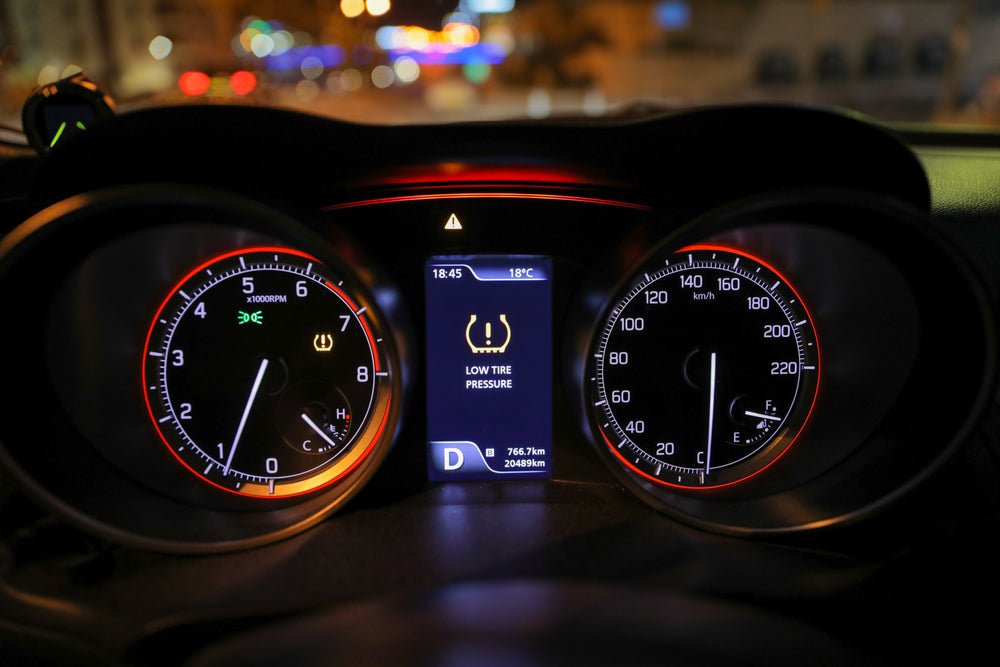
When your oil light on your GMC's dashboard comes on, it typically signals that your engine's oil pressure has dropped below a safe level. This does not always mean you are completely out of oil, but it does mean something needs your attention right away. Low oil pressure can result from a low oil level, a failing oil pump, or a leak - all of which can cause serious engine damage if ignored.

This is important oil light info to keep in mind: the oil pressure warning light is different from the oil life monitor. One tells you about pressure, the other tells you when it is time for a routine oil change. Do not confuse the two.

Step 1 - Pull Over Safely and Turn Off the Engine

The moment you notice your oil light is blinking, find a safe place to pull off the road as soon as possible. Do not continue driving while the light is on, even if the vehicle seems to be running normally. Once you are safely stopped, turn off the engine to prevent further damage. Running an engine with low oil pressure - even briefly - can cause significant internal wear.

Step 2 - Check Your Oil Level

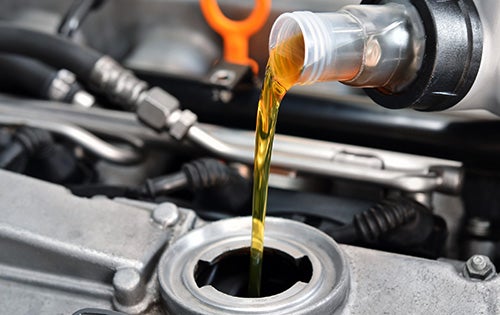
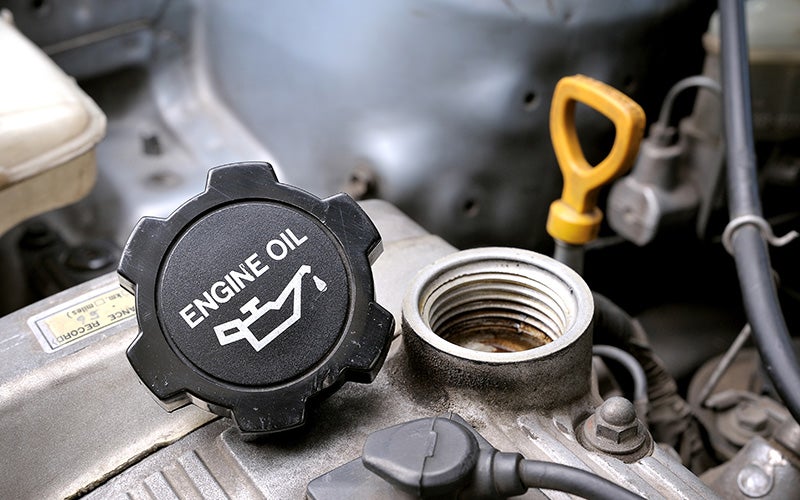
After giving the engine a few minutes to cool down, open the hood and locate the dipstick. Pull it out, wipe it clean with a cloth, reinsert it fully, and pull it out again to get an accurate reading. If the oil level is low, adding the correct oil type for your GMC model may resolve the issue temporarily. Your owner's manual will specify the right viscosity and grade.

Step 3 - Look for Obvious Leaks or Smoke

With the engine off, take a quick visual look under the vehicle and around the engine bay. A visible oil puddle beneath the car or smoke coming from the engine area can point to a more serious problem. If you notice either of these signs after your oil light on warning appeared, do not attempt to restart the vehicle. Call for roadside assistance instead.

Step 4 - Do Not Restart If the Problem Persists

If you have checked the oil level and it appears fine, but the oil light on your dashboard remains lit after restarting, shut the engine back off immediately. A normal oil level with a lit warning light often points to an oil pressure issue - which requires professional diagnosis. Continuing to drive in this condition can lead to costly engine damage.

Visit a GMC Certified Service Center

Once your vehicle is stable, it is time to schedule a service appointment. Drivers in Old Saybrook, CT can trust the factory-trained technicians at Vachon Buick GMC to properly diagnose and address whatever triggered the oil warning. No matter if the issue is a simple top-off, a leak repair, or an oil pump inspection, having a professional handle it ensures your GMC stays in peak condition.
Posted in:

Related Posts

Oil Pressure FAQ: How It Affects Your Vehicle 

Oil Pressure FAQ: How It Affects Your Vehicle

There are two types of people in the world. Those who see a warning light immediately act and those who briefly consider ignoring it while turning the radio up. Oil pressure is not a “turn the radio up” situation. For Old Saybrook drivers, understanding oil pressure is less about memorizing specs and more about recognizing what your engine needs to function properly. How Does Oil Pressure Affect Your Vehicle? Pressure is what moves oil through the engine. Not just sitting there. Moving with purpose. The oil pump pushes oil through passages to reach bearings, camshafts, and other moving parts. That pressure creates a protective layer that prevents metal-on-metal contact. If pressure drops, lubrication disappears quickly. If pressure climbs too high, it can point to restrictions or internal issues that stress the system. Either way, the engine is not operating the way it should. How Is Oil Pressure Measured? Most vehicles handle this for you. A sensor monitors the pressure and sends that information to your dashboard, either as a gauge or a warning light. It’s a simple system, but it’s constantly checking something critical. If the oil pressure light comes on, that’s not a casual update. That’s the vehicle telling you something is outside the acceptable range. And it expects you to do something about it. How Often Should You Check Your Oil? You don’t need to manually monitor oil pressure every time you drive, but you should know what’s normal for your vehicle. Glance at the gauge if your vehicle has one. Pay attention to warning lights. Check oil levels regularly, because low oil directly affects pressure. What Maintenance Is Required? Oil pressure is the result of everything working correctly, not something you service directly. Regular oil changes keep the fluid clean and flowing properly. Replacing the oil filter prevents blockages that restrict flow. Checking for leaks ensures the system maintains proper volume. These are simple steps, but they support the entire lubrication system. Skip them, and pressure becomes inconsistent. What Can Go Wrong? Low oil levels reduce pressure and protection. A failing oil pump cannot circulate oil effectively. Clogged filters or passages can create pressure spikes or restrict flow entirely. Sometimes the issue is electrical, like a faulty sensor, but that still needs to be verified rather than assumed. The key point is this. Problems with your vehicles oil do not fix themselves. Oil pressure is not complicated, but it is serious. It reflects how well your engine is being protected at any given moment. At Vachon Buick GMC, service focuses on maintaining the systems. Clean oil, proper filtration, and thorough inspections help ensure your engine continues to operate the way it was designed to, without unnecessary risk or guesswork.

Why Oil Changes Are Necessary for Your Vehicle

Why Oil Changes Are Necessary for Your Vehicle

There’s a tendency to treat oil changes like background maintenance. Something you get to when it’s convenient. Something that feels optional, because oil doesn’t fail all at once. It degrades. Quietly. Gradually. And by the time the engine starts to feel it, the damage has already begun. Why Are Oil Changes Necessary? Engine oil is constantly exposed to heat, pressure, and contamination. Over time, it breaks down. It loses viscosity, collects debris, and becomes less effective at protecting internal components. That shift increases friction, raises operating temperatures, and accelerates wear across the engine. Regular oil changes remove that degraded oil and replace it with fluid that can do its job. It’s not complicated, but it’s critical. What Does Oil Do in a Vehicle? Oil operates as the engine’s primary safeguard. It creates a lubricating layer between moving parts, reducing direct contact and minimizing wear. It helps regulate temperature by transferring heat away from high-stress areas. It also captures contaminants, sending them to the filter instead of letting them circulate freely. All of this depends on oil being clean and able to flow correctly. Once that changes, protection drops off quickly. How Often Should You Schedule Oil Changes? Intervals vary depending on the vehicle and oil type, but there are reliable guidelines. Conventional oil typically falls within a 3,000 to 5,000 mile range. Synthetic oil extends that interval, often between 7,500 and 10,000 miles. Driving conditions matter just as much as mileage. In Old Saybrook, CT, frequent short trips and colder starts can place additional strain on the oil, making shorter intervals a practical choice. Following the manufacturer’s recommendation keeps everything within a safe operating range. What to Do If Your Oil Light Is On If it appears, the safest response is to pull over and shut the engine off. Low oil pressure or low oil levels can lead to rapid internal damage if the engine continues running. Checking the oil level may provide a temporary answer, but it does not identify the cause. If the light remains on, the system needs to be inspected to determine whether the issue is related to pressure, flow, or component failure. Types of Oil: Which One Is Right for Your Vehicle? The type of oil used directly affects performance and longevity. Conventional Oil: Suitable for simpler engine designs and lighter use. Synthetic Oil: More stable under temperature extremes and better suited for modern engines. Synthetic Blend: Offers a balance between cost and improved performance. High-Mileage Oil: Designed to support engines with higher wear levels and help maintain seals. Oil changes are one of the few services where timing matters as much as the service itself. Stay ahead of the interval, and the engine stays protected. Fall behind, and wear begins to compound. Oil service here is handled with a focus on accuracy and consistency. Proper oil selection, filter replacement, and system checks help ensure your engine continues to operate the way it was designed to, mile after mile.

Dark blue Buick Enclave SUV parked outside a Buick GMC dealership.

2027 Buick Enclave: A More Considered Approach to Family Luxury

Luxury in a family SUV is a curious business. Expensive materials are pleasant, certainly, but they're of limited consolation if the third row is cramped or the suspension becomes unsettled on a poor road. The 2027 Buick Enclave addresses these fundamentals with generous accommodation, substantial turbocharged power, and three equipment levels. For families around Old Saybrook, Connecticut, it's an interesting alternative to the usual premium SUV choices. A Smaller Engine Doing a Bigger Job The Enclave's 2.5L turbocharged 4-cylinder develops 328 hp and 326 lbs. ft. of torque, driving through an 8-speed automatic transmission. FWD is standard, with AWD available for Connecticut's variable conditions. FWD fuel economy is EPA-estimated at 20 mpg city and 25 mpg highway. Properly equipped, the Enclave can tow up to 5,000 lbs. The Avenir's Continuous Damping Control suspension adds another dimension, adjusting damping characteristics as road conditions change. Preferred: An Impressively Complete Starting Point The name suggests modest ambitions, but Preferred is generously equipped. Heated front seats, a heated steering wheel, and power-adjustable front seating accompany a sweeping 30-inch digital display. Google built-in with Google Gemini provides navigation and conversational assistance. There's also a Bose® 12-speaker audio system, 126-color ambient lighting, Adaptive Cruise Control, HD Surround Vision, and an AutoSense Power Liftgate. Available Super Cruise® extends its highway assistance capabilities. Sport Touring: A Change of Character Sport Touring concentrates on appearance without abandoning comfort. Its mesh grille and distinctive exterior detailing create a more assertive impression, while the cabin retains heated seating, adjustable ambient lighting, and the 30-inch display. A Bose® 12-speaker system and Adaptive Cruise Control remain standard. The Interior Camera introduces Cabin Glance and Security Recording, while Super Cruise and a Head-Up Display are available. It's primarily an aesthetic choice, but one with worthwhile equipment. Avenir: Where the Luxury Becomes Tangible Avenir's strongest arguments are experienced from the seats. Massaging front seats, heated second-row outboard seats, and a panoramic sunroof improve passenger comfort. The Bose® Performance 16-speaker system brings upgraded audio, while Continuous Damping Control addresses ride quality. Standard Super Cruise includes a three-year OnStar® One plan for compatible-road hands-free assistance requiring driver attention. A Head-Up Display, Rear Camera Mirror, and power-folding third row complete the package. The Space Behind the Specifications All Enclave models accommodate 7 passengers, with second-row captain's chairs and a three-seat rear bench. Legroom measures 44.3 inches in front, 41.5 inches in the second row, and 32.1 inches in the third. Cargo capacity ranges from 22.9 cubic feet behind the third row to 97.5 cubic feet with both rear rows folded. Available sliding and folding seating arrangements simplify access and loading. Safety Without Excessive Fuss Front Pedestrian and Bicyclist Braking, Blind Zone Steering Assist, Intersection Automatic Emergency Braking, Rear Cross Traffic Braking, and Side Bicyclist Alert provide assistance in different traffic situations. HD Surround Vision adds camera perspectives, while Cabin Glance helps drivers observe rear passengers. None replaces attentive driving, but their combined coverage is reassuring. Explore the 2027 Buick Enclave Near Old Saybrook, CT The Enclave makes its strongest case through comfortable accommodation and equipment that addresses real driving needs. Visit Vachon Buick GMC, serving Old Saybrook and Connecticut to compare 2027 Preferred, Sport Touring, and Avenir trims and discuss upcoming availability. Schedule a test drive online to assess the Enclave's comfort firsthand.