


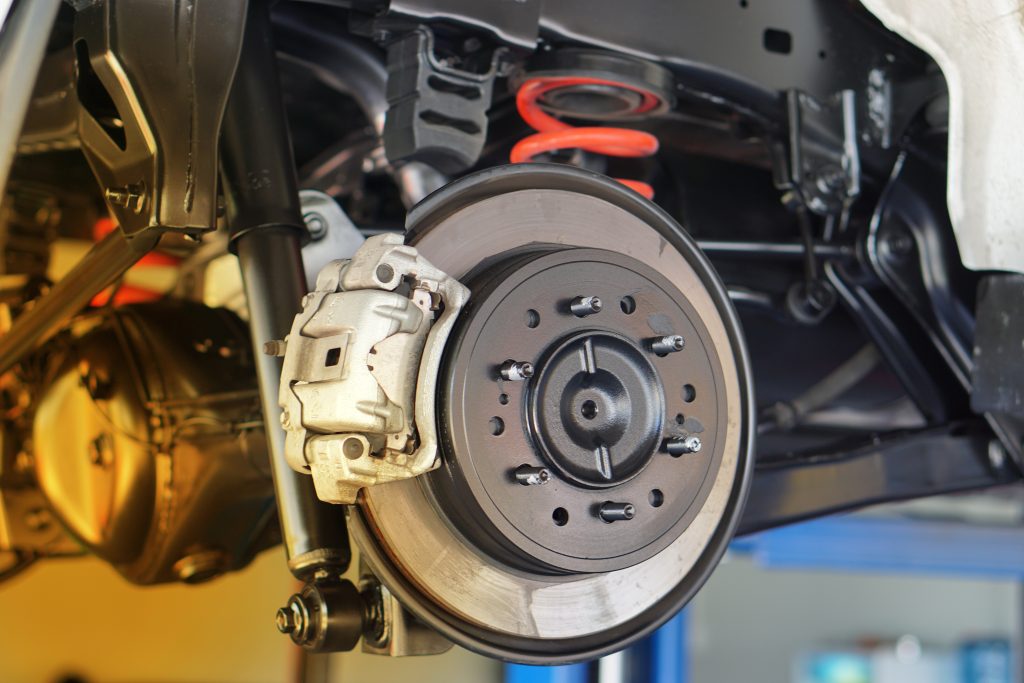
Noticing something off with your vehicle’s brakes can be unsettling, and it’s one of those situations where acting quickly really matters. These FAQs about brakes will let us walk you through the steps you should take when your brakes start acting up. Whether it’s a strange noise, a mushy pedal, or a pull to one side, drivers in Old Saybrook, Connecticut can use these FAQs as a practical starting point.
Is What I’m Experiencing Actually a Brake Problem?
The first step is simply identifying whether you have a real concern or if it’s about your brakes at all. Common warning signs that your brakes need help include squealing when you slow down, a grinding noise, a vibration in the pedal, or if your vehicle pulls to one side during braking. A soft or spongy pedal feel is another signal that something may need attention. And of course, if the dreaded brake warning light has come on, that’s a clear sign to take action sooner rather than later.
What Should I Do Immediately After Noticing a Problem?
Once you notice a potential brake issue, avoid aggressive driving. Maintain more following distance than usual and try to minimize hard stops. If the pedal feels unusually low or the vehicle is pulling strongly to one side, it’s best to avoid highway driving until the problem is diagnosed. Brakes squealing consistently—not just when cold or wet—is a reliable sign that the pads may be worn and need professional inspection.
Should I Try to Diagnose It Myself?
A quick visual check can be helpful. Through most wheel spokes, you can see the brake rotor and sometimes the caliper. If the rotor looks deeply grooved or scored, that’s a sign of wear. However, most brake issues require a lift and a trained eye. Trying to assess brake pad thickness or caliper function on your own without proper tools can lead to missed problems. This brakes FAQ recommendation: Don’t guess. Get it checked.
When Should I Schedule a Service Appointment?
Schedule a service visit right away if you notice any combination of these warning signs: consistent brakes squealing, grinding noises, pedal pulsation, longer stopping distances, or dashboard warning lights. You don’t need to wait until the situation gets worse. In fact, catching brake wear early often means a simpler and less expensive repair. Waiting too long can turn a straightforward pad replacement into a full rotor replacement.
What Can I Expect During a Brake Inspection?
A trained technician will typically check pad thickness, rotor condition, brake fluid level, caliper function, and brake lines. They’ll also test the pedal feel and inspect for any leaks in the hydraulic system. After the inspection, you’ll receive a clear picture of what needs attention and what can wait. Certified service technicians are equipped to handle everything from a simple pad swap to a full brake system service.
Visit Us at Vachon Buick GMC for Your Next Brake Service
If you’ve been running through this brakes FAQ and checking off warning signs, it’s time to get your vehicle looked at by a professional. Our service team at Vachon Buick GMC is here to help drivers throughout Old Saybrook, CT keep their vehicles safe and running smoothly. Stop by or schedule a service appointment today—your brakes are too important to wait on.
Final Thoughts on This Brakes FAQ
Brake concerns don’t always mean a major repair, but they do always deserve attention. By following the steps in this brakes FAQ—identifying the symptoms, adjusting your driving, skipping the guesswork, and scheduling service promptly—you give yourself the best chance of staying safe and avoiding bigger problems down the road. When in doubt, trust a certified technician to guide you through the next steps.
Connect with us

