


There are two types of people in the world. Those who see a warning light immediately act and those who briefly consider ignoring it while turning the radio up. Oil pressure is not a “turn the radio up” situation. For Old Saybrook drivers, understanding oil pressure is less about memorizing specs and more about recognizing what your engine needs to function properly.
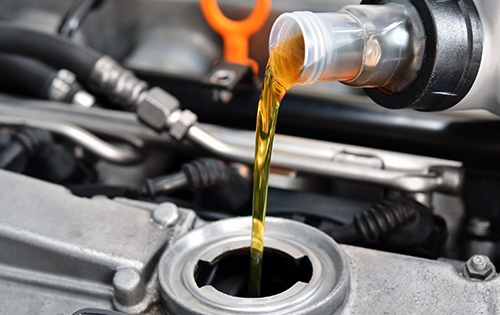
How Does Oil Pressure Affect Your Vehicle?
Pressure is what moves oil through the engine. Not just sitting there. Moving with purpose. The oil pump pushes oil through passages to reach bearings, camshafts, and other moving parts. That pressure creates a protective layer that prevents metal-on-metal contact. If pressure drops, lubrication disappears quickly. If pressure climbs too high, it can point to restrictions or internal issues that stress the system. Either way, the engine is not operating the way it should.
How Is Oil Pressure Measured?
Most vehicles handle this for you. A sensor monitors the pressure and sends that information to your dashboard, either as a gauge or a warning light. It’s a simple system, but it’s constantly checking something critical. If the oil pressure light comes on, that’s not a casual update. That’s the vehicle telling you something is outside the acceptable range. And it expects you to do something about it.
How Often Should You Check Your Oil?
You don’t need to manually monitor oil pressure every time you drive, but you should know what’s normal for your vehicle. Glance at the gauge if your vehicle has one. Pay attention to warning lights. Check oil levels regularly, because low oil directly affects pressure.
What Maintenance Is Required?
Oil pressure is the result of everything working correctly, not something you service directly. Regular oil changes keep the fluid clean and flowing properly. Replacing the oil filter prevents blockages that restrict flow. Checking for leaks ensures the system maintains proper volume. These are simple steps, but they support the entire lubrication system. Skip them, and pressure becomes inconsistent.
What Can Go Wrong?
Low oil levels reduce pressure and protection. A failing oil pump cannot circulate oil effectively. Clogged filters or passages can create pressure spikes or restrict flow entirely. Sometimes the issue is electrical, like a faulty sensor, but that still needs to be verified rather than assumed. The key point is this. Problems with your vehicles oil do not fix themselves.
Oil pressure is not complicated, but it is serious. It reflects how well your engine is being protected at any given moment. At Vachon Buick GMC, service focuses on maintaining the systems. Clean oil, proper filtration, and thorough inspections help ensure your engine continues to operate the way it was designed to, without unnecessary risk or guesswork.
Connect with us

