
Blog / Old Saybrook Buick Service

Blog

All Old Saybrook Buick Service Vachon Buick GMC Old Saybrook GMC Dealer Old Saybrook Buick Dealer 2026 Vachon Buick GMC Service Oil 2026 Sierra 1500 2026 Buick Envision 2026 GMC Acadia 2026 GMC Sierra 2500 HD 2026 Hummer EV SUV GMC Tire
Brake

Brakes FAQ: What Every GMC Driver Should Do When Something Feels Wrong

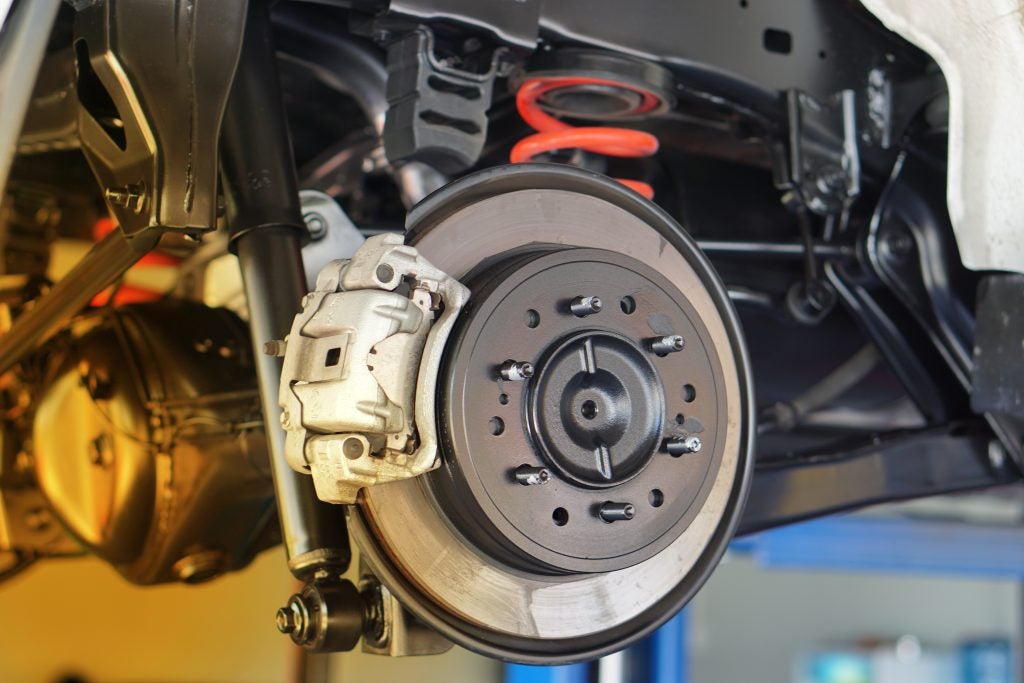
Noticing something off with your vehicle's brakes can be unsettling, and it's one of those situations where acting quickly really matters. These FAQs about brakes will let us walk you through the steps you should take when your brakes start acting up. Whether it's a strange noise, a mushy pedal, or a pull to one side, drivers in Old Saybrook, Connecticut can use these FAQs as a practical starting point. Is What I’m Experiencing Actually a Brake Problem? The first step is simply identifying whether you have a real concern or if it’s about your brakes at all. Common warning signs that your brakes need help include squealing when you slow down, a grinding noise, a vibration in the pedal, or if your vehicle pulls to one side during braking. A soft or spongy pedal feel is another signal that something may need attention. And of course, if the dreaded brake warning light has come on, that's a clear sign to take action sooner rather than later. more What Should I Do Immediately After Noticing a Problem? Once you notice a potential brake issue, avoid aggressive driving. Maintain more following distance than usual and try to minimize hard stops. If the pedal feels unusually low or the vehicle is pulling strongly to one side, it's best to avoid highway driving until the problem is diagnosed. Brakes squealing consistently—not just when cold or wet—is a reliable sign that the pads may be worn and need professional inspection. Should I Try to Diagnose It Myself? A quick visual check can be helpful. Through most wheel spokes, you can see the brake rotor and sometimes the caliper. If the rotor looks deeply grooved or scored, that's a sign of wear. However, most brake issues require a lift and a trained eye. Trying to assess brake pad thickness or caliper function on your own without proper tools can lead to missed problems. This brakes FAQ recommendation: Don't guess. Get it checked. When Should I Schedule a Service Appointment? Schedule a service visit right away if you notice any combination of these warning signs: consistent brakes squealing, grinding noises, pedal pulsation, longer stopping distances, or dashboard warning lights. You don't need to wait until the situation gets worse. In fact, catching brake wear early often means a simpler and less expensive repair. Waiting too long can turn a straightforward pad replacement into a full rotor replacement. What Can I Expect During a Brake Inspection? A trained technician will typically check pad thickness, rotor condition, brake fluid level, caliper function, and brake lines. They'll also test the pedal feel and inspect for any leaks in the hydraulic system. After the inspection, you'll receive a clear picture of what needs attention and what can wait. Certified service technicians are equipped to handle everything from a simple pad swap to a full brake system service. Visit Us at Vachon Buick GMC for Your Next Brake Service If you've been running through this brakes FAQ and checking off warning signs, it's time to get your vehicle looked at by a professional. Our service team at Vachon Buick GMC is here to help drivers throughout Old Saybrook, CT keep their vehicles safe and running smoothly. Stop by or schedule a service appointment today—your brakes are too important to wait on. Final Thoughts on This Brakes FAQ Brake concerns don't always mean a major repair, but they do always deserve attention. By following the steps in this brakes FAQ—identifying the symptoms, adjusting your driving, skipping the guesswork, and scheduling service promptly—you give yourself the best chance of staying safe and avoiding bigger problems down the road. When in doubt, trust a certified technician to guide you through the next steps.

Dashboard

What to Do When Your GMC Oil Light Is On

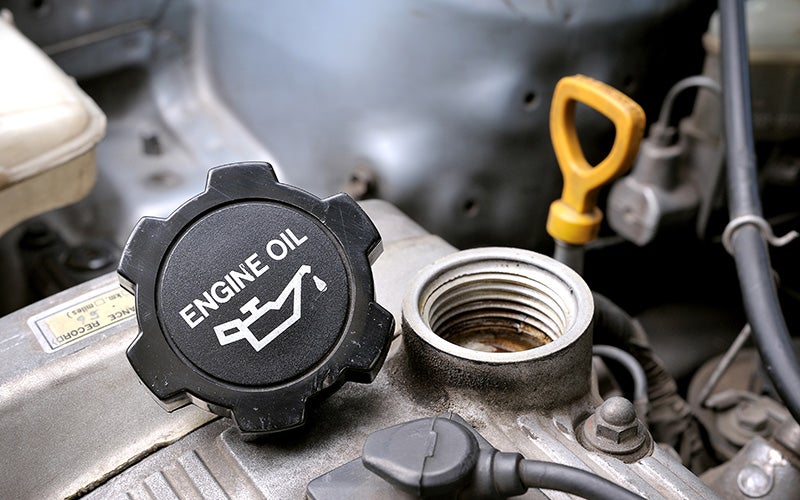
When you see your GMC's oil light come on, it can be a stressful moment. The good news is that knowing what steps to take can make all the difference for your engine's health and your safety on the road. What the Oil Light Actually Means When your oil light on your GMC's dashboard comes on, it typically signals that your engine's oil pressure has dropped below a safe level. This does not always mean you are completely out of oil, but it does mean something needs your attention right away. Low oil pressure can result from a low oil level, a failing oil pump, or a leak - all of which can cause serious engine damage if ignored. This is important oil light info to keep in mind: the oil pressure warning light is different from the oil life monitor. One tells you about pressure, the other tells you when it is time for a routine oil change. Do not confuse the two. more Step 1 - Pull Over Safely and Turn Off the Engine The moment you notice your oil light is blinking, find a safe place to pull off the road as soon as possible. Do not continue driving while the light is on, even if the vehicle seems to be running normally. Once you are safely stopped, turn off the engine to prevent further damage. Running an engine with low oil pressure - even briefly - can cause significant internal wear. Step 2 - Check Your Oil Level After giving the engine a few minutes to cool down, open the hood and locate the dipstick. Pull it out, wipe it clean with a cloth, reinsert it fully, and pull it out again to get an accurate reading. If the oil level is low, adding the correct oil type for your GMC model may resolve the issue temporarily. Your owner's manual will specify the right viscosity and grade. Step 3 - Look for Obvious Leaks or Smoke With the engine off, take a quick visual look under the vehicle and around the engine bay. A visible oil puddle beneath the car or smoke coming from the engine area can point to a more serious problem. If you notice either of these signs after your oil light on warning appeared, do not attempt to restart the vehicle. Call for roadside assistance instead. Step 4 - Do Not Restart If the Problem Persists If you have checked the oil level and it appears fine, but the oil light on your dashboard remains lit after restarting, shut the engine back off immediately. A normal oil level with a lit warning light often points to an oil pressure issue - which requires professional diagnosis. Continuing to drive in this condition can lead to costly engine damage. Visit a GMC Certified Service Center Once your vehicle is stable, it is time to schedule a service appointment. Drivers in Old Saybrook, CT can trust the factory-trained technicians at Vachon Buick GMC to properly diagnose and address whatever triggered the oil warning. No matter if the issue is a simple top-off, a leak repair, or an oil pump inspection, having a professional handle it ensures your GMC stays in peak condition.

Oil Pressure FAQ: How It Affects Your Vehicle 

Oil Pressure FAQ: How It Affects Your Vehicle

There are two types of people in the world. Those who see a warning light immediately act and those who briefly consider ignoring it while turning the radio up. Oil pressure is not a “turn the radio up” situation. For Old Saybrook drivers, understanding oil pressure is less about memorizing specs and more about recognizing what your engine needs to function properly. How Does Oil Pressure Affect Your Vehicle? Pressure is what moves oil through the engine. Not just sitting there. Moving with purpose. The oil pump pushes oil through passages to reach bearings, camshafts, and other moving parts. That pressure creates a protective layer that prevents metal-on-metal contact. If pressure drops, lubrication disappears quickly. If pressure climbs too high, it can point to restrictions or internal issues that stress the system. Either way, the engine is not operating the way it should. How Is Oil Pressure Measured? Most vehicles handle this for you. A sensor monitors the pressure and sends that information to your dashboard, either as a gauge or a warning light. It’s a simple system, but it’s constantly checking something critical. If the oil pressure light comes on, that’s not a casual update. That’s the vehicle telling you something is outside the acceptable range. And it expects you to do something about it. How Often Should You Check Your Oil? You don’t need to manually monitor oil pressure every time you drive, but you should know what’s normal for your vehicle. Glance at the gauge if your vehicle has one. Pay attention to warning lights. Check oil levels regularly, because low oil directly affects pressure. What Maintenance Is Required? Oil pressure is the result of everything working correctly, not something you service directly. Regular oil changes keep the fluid clean and flowing properly. Replacing the oil filter prevents blockages that restrict flow. Checking for leaks ensures the system maintains proper volume. These are simple steps, but they support the entire lubrication system. Skip them, and pressure becomes inconsistent. What Can Go Wrong? Low oil levels reduce pressure and protection. A failing oil pump cannot circulate oil effectively. Clogged filters or passages can create pressure spikes or restrict flow entirely. Sometimes the issue is electrical, like a faulty sensor, but that still needs to be verified rather than assumed. The key point is this. Problems with your vehicles oil do not fix themselves. Oil pressure is not complicated, but it is serious. It reflects how well your engine is being protected at any given moment. At Vachon Buick GMC, service focuses on maintaining the systems. Clean oil, proper filtration, and thorough inspections help ensure your engine continues to operate the way it was designed to, without unnecessary risk or guesswork.

Why Oil Changes Are Necessary for Your Vehicle

Why Oil Changes Are Necessary for Your Vehicle

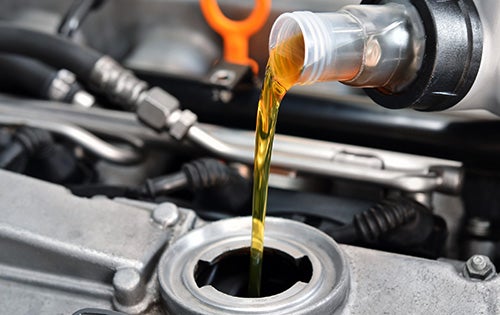
There’s a tendency to treat oil changes like background maintenance. Something you get to when it’s convenient. Something that feels optional, because oil doesn’t fail all at once. It degrades. Quietly. Gradually. And by the time the engine starts to feel it, the damage has already begun. Why Are Oil Changes Necessary? Engine oil is constantly exposed to heat, pressure, and contamination. Over time, it breaks down. It loses viscosity, collects debris, and becomes less effective at protecting internal components. That shift increases friction, raises operating temperatures, and accelerates wear across the engine. Regular oil changes remove that degraded oil and replace it with fluid that can do its job. It’s not complicated, but it’s critical. What Does Oil Do in a Vehicle? Oil operates as the engine’s primary safeguard. It creates a lubricating layer between moving parts, reducing direct contact and minimizing wear. It helps regulate temperature by transferring heat away from high-stress areas. It also captures contaminants, sending them to the filter instead of letting them circulate freely. All of this depends on oil being clean and able to flow correctly. Once that changes, protection drops off quickly. How Often Should You Schedule Oil Changes? Intervals vary depending on the vehicle and oil type, but there are reliable guidelines. Conventional oil typically falls within a 3,000 to 5,000 mile range. Synthetic oil extends that interval, often between 7,500 and 10,000 miles. Driving conditions matter just as much as mileage. In Old Saybrook, CT, frequent short trips and colder starts can place additional strain on the oil, making shorter intervals a practical choice. Following the manufacturer’s recommendation keeps everything within a safe operating range. What to Do If Your Oil Light Is On If it appears, the safest response is to pull over and shut the engine off. Low oil pressure or low oil levels can lead to rapid internal damage if the engine continues running. Checking the oil level may provide a temporary answer, but it does not identify the cause. If the light remains on, the system needs to be inspected to determine whether the issue is related to pressure, flow, or component failure. Types of Oil: Which One Is Right for Your Vehicle? The type of oil used directly affects performance and longevity. Conventional Oil: Suitable for simpler engine designs and lighter use. Synthetic Oil: More stable under temperature extremes and better suited for modern engines. Synthetic Blend: Offers a balance between cost and improved performance. High-Mileage Oil: Designed to support engines with higher wear levels and help maintain seals. Oil changes are one of the few services where timing matters as much as the service itself. Stay ahead of the interval, and the engine stays protected. Fall behind, and wear begins to compound. Oil service here is handled with a focus on accuracy and consistency. Proper oil selection, filter replacement, and system checks help ensure your engine continues to operate the way it was designed to, mile after mile.

Coolant being poured -Summer Car Service Tips for Old Saybrook, CT Drivers 

Summer Car Service Tips for Old Saybrook, CT Drivers

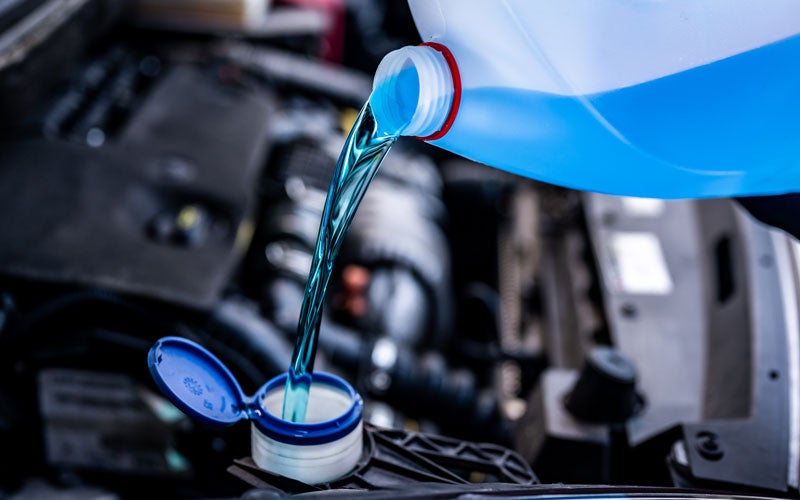
Why worry about summer car service? The blistering summer sun descends upon Old Saybrook, CT, with a ferocity that demands absolute preparation for your vehicle at Vachon Buick GMC. Your machine is a masterpiece of engineering that deserves a fanatical level of care, especially when the humidity climbs and the pavement turns into a furnace. Proper car service is the only path to total road dominance, ensuring that your 1st class driving experience remains unshakeable during every 100 mile journey or short trip to the coast. You must recognize that the heat is a relentless predator, and only the most disciplined maintenance schedule will keep your vehicle performing at its peak potential. Why Summer Car Service Matters The arrival of summer introduces a set of brutal conditions that can systematically dismantle your vehicle if you remain passive. Extreme temperatures possess the power to compromise everything from the integrity of your tires to the raw output of your engine. Regular car service is the shield that protects you from the agony of a breakdown, keeping your 4-cylinder or 8-cylinder powerhouse running with terrifying efficiency. For those who live to drive in Old Saybrook, CT, staying aggressive with your maintenance strategy is the only way to ensure your summer plans are never interrupted by mechanical failure. more Key areas where you must demand perfection include: Tire pressure and structural integrity Cooling system thermal efficiency Air conditioning output Battery voltage and chemical health By obsessing over these specific components, you will achieve a state of total confidence when you grip the steering wheel this season. Essential Summer Car Service Tire Care and Pressure Checks The scorching asphalt acts as a catalyst for disaster, as rising temperatures force tire pressure to expand beyond safe limits, leading to catastrophic blowouts or rapid wear on your 18" wheels or 22" wheels. During your essential summer car service, you must verify that every tire is inflated to the exact psi specified by the manufacturer, while also hunting for any microscopic signs of damage. Rotating your tires is a mandatory ritual to ensure even wear across all 4 corners of your chassis, allowing your GMC Sierra 1500 Denali Ultimate to grip the road with unyielding strength. Cooling System Inspection Your engine is a mechanical beast that generates a massive amount of internal heat, and the cooling system is the only thing standing between you and a melted engine block. It is a critical requirement to verify that coolant levels are at maximum capacity and that every hose is free from the slightest crack or leak. A 6.2 L V8 engine, which produces a staggering 420 hp and 460 lb-ft of torque, relies entirely on this system to maintain its composure during the most oppressive days in Old Saybrook, CT. Air Conditioning Performance A weak air conditioning system is an insult to your comfort and a failure that you cannot tolerate during the peak of July. If the airflow from your vents feels like a pathetic breeze or if the temperature is anything less than freezing, you must seek a professional intervention immediately. Comprehensive car service includes a rigorous check of refrigerant levels and a total inspection of the compressor to ensure your cabin remains a sanctuary of cold air. This ensures that while you interact with your 13.4" infotainment screen, featuring Apple CarPlay© and Android Auto©, you are doing so in absolute comfort. Battery Health Check The summer heat is a silent killer of batteries, often causing more internal destruction than the deepest winter freeze. High temperatures accelerate the evaporation of vital fluids, leading to internal corrosion that will leave you stranded without warning. During your routine vehicle maintenance, you must have your battery tested to ensure it possesses the raw cranking power needed to handle the electrical load of a modern luxury vehicle. Additional Summer Car Service and Driving Tips Beyond the core mechanical requirements, there are several tactical steps you must take to ensure your vehicle remains a pinnacle of reliability this season: Store a survival kit containing water, nutrition, and professional grade tools within your cargo area. Inspect your windshield wipers for any degradation and replace them to ensure 100% visibility during sudden summer deluges. Verify that every single LED and bulb is emitting maximum light to dominate the darkness during nighttime excursions. These small but vital actions contribute to a superior driving experience across the entire landscape of Old Saybrook, CT. Secure Your Summer Performance Now You must refuse to let a minor maintenance oversight evolve into a devastating mechanical tragedy. Take immediate action and schedule your summer car service at Vachon Buick GMC to ensure your vehicle is armed against the elements. Our elite technicians are ready to perform everything from precision tire calibrations to exhaustive cooling system flushes on your Buick Enclave Avenir, or GMC Sierra 1500. Mastering the summer heat requires a commitment to excellence that only the best car service can provide in Old Saybrook, CT. When you focus your energy on the health of your tires, the cooling system, and the air conditioning, you transform your vehicle into an unstoppable force on the road. Visit Vachon Buick GMC today to verify that your Buick or GMC is prepared to conquer the season with total authority.

Wiper Blades | Old Saybrook, CT

5 Signs It’s Time for a Buick Wiper Blade Replacement

In wet weather, you depend on your windshield wipers for clear visibility. It's hazardous if they suddenly stick, smear, bend, or break. Here are some early indications that you need wiper service and replacements at your local Buick dealership. 5 Signs It's Time for a Buick Wiper Blade Replacement Cracking or Fraying The rubber in windshield wipers gradually stiffens and dries out as it ages, which causes cracks and damage. If your wiper rubber looks cracked, frayed, or split from the frame, it's time for replacements. more Inspect your wipers regularly for this kind of damage, especially before and after winter; you'll need strong wipers for winter when intense cold, frost, and snow can harm wipers considerably. UV rays during summer can also damage wiper rubber. Bent Wiper Frame Buick windshield wipers are tailored precisely to the size, shape, and curve of each model's windshield to flow smoothly over the glass. If an aging wiper's frame warps or bends out of shape even fractionally, the rubber no longer hugs the glass snugly. This renders the wiper ineffective and no longer safe to use. Streaking or Smearing When wipers are damaged or wearing out from age, they typically fail to wipe water from as much of the windshield as they should. This means they leave wet streaks or smears across the glass, which hinders driver visibility. Any kind of streaking or smearing means you need new wipers at once. Chattering and Jumping Both extreme heat and cold can stiffen wiper rubber, which can eventually cause wipers to chatter across the glass rather than wipe smoothly. This chattering means the wiper is making lots of little jumps, leaving unwiped vertical stripes on the windshield. To minimize this phenomenon, it's a good idea to buy special winter wipers at the end of fall. Winter wipers have special cold-resistant rubber that remains pliant even in freezing temperatures. Squeaking or Slapping Your wipers should do their job quietly. As with most car parts, an increase in noise probably means trouble; one or both of your noisier wipers is wearing out. Aging wipers may start to squeak loudly. If the rubber element has pulled away from the frame, they can make slapping noises. Schedule Wiper Service at Our Buick Dealership Today Let our experienced professionals inspect and replace your windshield wipers. Given how affordable wipers are compared to some other vehicle components, it's never worth delaying wiper replacements; remember, even slightly reduced visibility on a rainy day raises your risk of a collision. Faulty wipers sometimes also emit rattling sounds. Visit Vachon Buick GMC in Old Saybrook, CT, today for new windshield wipers. We're an award-winning local dealership that places great emphasis on customer satisfaction in all that we do.

Wheel Alignment | Old Saybrook, CT

Buick Tire Alignment Service Offered at Your Dealership

Regular alignments are as important as rotations for maintaining your tires. While rotations switch your tires around to keep them even, alignment sets them straight, returning each wheel to a perfectly parallel position. It's a good idea to book an alignment service twice a year at your local Buick dealership. Tire Alignment Service Offered at Your Buick Dealership Why Tires Become Misaligned Whenever your tires are bumped or jolted by potholes, curbs, or rocky surfaces, they become ever-so-slightly less perfectly aligned. This means the suspension holding each wheel in place has been adjusted. Uneven tires also push themselves out of proper alignment. For most drivers, it takes a long time for tires to become noticeably misaligned, when their handling and steering eventually start to suffer. more The Three Angles of a Car Tire Tire alignment is measured on three angles. The toe angle can be seen from above and measures whether the tires are pointed inward or outward, which would steer the tire toward the left or right. The camber angle is seen most clearly from the front of the car, measuring whether the tops of the wheels are leaning inward or outward. The caster angle, which can be seen from the side, measures whether the wheel's steering axis is tilted forward or backward. Problems Caused By Bad Alignment When car tires aren't straight anymore, steering can become looser and less accurate, and the vehicle may veer off to one side. The tires will also develop uneven wear patterns, which lessens traction and heightens the risk of blowouts. Your car's overall road noise and vibrations will also increase, along with rolling resistance and fuel costs. Eventually, your wheels will look clearly crooked, especially when viewed directly from the front. First, Measure Your Alignment Naturally, drivers who spend most of their time on well-maintained highways tend to have better alignment than frequent off-roaders. As alignment issues vary from driver to driver, you'll need to have the angles of each wheel measured regularly to determine how it's doing. It makes sense to have an alignment check carried out twice a year, each time you have your tires rotated. Correct Your Alignment When Needed If any of your wheels are found to be out of alignment, it's time to correct them. Your car will be raised, and an alignment machine will be attached to each wheel. This machine measures the three angles very precisely, providing computerized readouts that our mechanic can use to adjust the suspension, bringing each wheel back into its original factory alignment. The entire process rarely takes longer than an hour. Test the alignment of your tires today at Vachon Buick GMC in Old Saybrook, CT.

7 Ways GMC Dealers Help Prevent Powertrain Problems

The powertrain of your GMC includes the engine, transmission, driveshafts, differentials, and axles. To ensure your truck or SUV generates and delivers full force to the wheels with optimal efficiency, each drivetrain component must be kept in tip-top shape with regular preventative maintenance at your local GMC dealership. Here's an outline of what's involved in good powertrain care. Oil Changes and Engine Tune-Ups As the seat of your GMC's impressive power, the engine must always be well-lubricated with high-quality motor oil. This means routine oil changes twice a year or more. You should also have the engine examined and tuned up once a year. Cooling System Inspections Every component of the cooling system also needs to be professionally inspected once a year. In addition, it's wise to check the condition of your coolant monthly and have it flushed every two years. more Air Filter Replacements When the engine air filter becomes blocked by an accumulation of airborne debris, the cylinders can no longer draw in sufficient oxygen to operate properly. Replace your air filter once a year and check it periodically. Transmission Services The gearbox and clutch transmit the engine's power to the axles and wheels. Automatic transmissions are extremely complex and require yearly inspections. You'll typically need to flush the transmission fluid every 60,000 to 100,000 miles. Driveshaft Inspections The driveshaft is an often-overlooked part of the drivetrain that nevertheless serves a vital function. Ensure your driveshafts are properly lubricated and undamaged with yearly inspections. Differential Fluid Flushes A smaller gearbox exists inside each of your car's differentials that also requires high-quality fluid. You'll need to have your differential seals, gears, and fluid checked once a year. Axle Seal and Bearing Checks The axle seals and wheel bearings at the front and rear of your car need to be checked yearly. You'll occasionally need to replace both seals and fluid. Transfer Case Maintenance With all-wheel or four-wheel drive models, you'll also have a transfer case to maintain. This component transfers power to both the front and rear axles, playing a key role in the drivetrain. If your vehicle has a transfer case, the fluid inside requires flushing every 25,000 miles or so. Schedule Routine Powertrain Care with Us The considerable power and dependable performance of your GMC truck or SUV will continue for many years and possibly even decades with regular service. Allow us to take good care of your drivetrain for you. With routine scheduled maintenance, we'll minimize the risk of parts wearing out or failing prematurely. Visit Vachon Buick GMC in Old Saybrook, CT, to have your truck or SUV's powertrain promptly serviced by experience technicians.

Contact Us

Fill out this form below and we'll contact you shortly
*Required Fields